Mostrando entradas con la etiqueta Unit 10 Internal Energy of the Earth 3 ESO. Mostrar todas las entradas

domingo, 3 de junio de 2018

TRABAJO SOBRE EL RIESGO SISMICO EN ESPAÑA

Investiga los últimos terremotos ocurridos en España:

Si pinchas en el símbolo de la lupa con la + podrás ver mapa y ampliar información.

Y los más próximos: último terremoto y más próximo.


CONTESTA:

  1. ¿Cuántos se han producido en la última semana?
  2. ¿Cuál ha sido el más fuerte?
  3. ¿Y el más cercano a Mijas?
  4. ¿Por qué crees que hay tantos seísmos en la zona en que vivimos? Explícalo ayudándote de lo aprendido en el tema.


En el enlace siguiente investiga sobre las cuestiones de abajo:

  1. Explica brevemente cómo se produce un terremoto.
  2. Indica las zonas de España con mayor riesgo sísmico.
  3. En Mijas hay una estación sísmica, investiga dónde se encuentra y por qué está en ese sitio.


Presenta todos los datos en un trabajo a la profesora. El formato lo puedes elegir tú, documento informático, en papel, como te apetezca.

martes, 8 de julio de 2014

UNIT 6: INTERNAL ENERGY OF THE EARTH


PRESENTACIÓN RESUMEN TEMA 6


VIDEO INTRODUCTORIO: EL PODER DE LA TIERRA


TECTONIC PLATES THEORY


VIDEO: WEGENER


Tipos de bordes de placas: http://www.juntadeandalucia.es/averroes/centros-tic/29700230/helvia/aula/archivos/repositorio/0/26/html/animacion%20tectonica/tectonica_animada/tectonanim.htm

 ACTIVITY; Complete the sketch with the following words: light, high, cold,


        heavy, hot, low. What does it represent?


VOLCANOES

 VIDEO: VOLCANES DE EDUTECA


VIDEO: VOLCANOES


VIDEO VULCANISMO ATENUADO: GEYSERS, HOTSPRINGS AND FUMAROLES


EARTHQUAKES

PRESENTACIÓN TERREMOTOS

PRESENTACIÓN EROSKI: LOS TERREMOTOS

VIDEO IN ENGLISH: TECTONIC PLATE


PRESENTACIÓN; HOW A SEISMOGRAPH WORKS.


VOLCANES EN EUROPA


VIDEOS


IMÁGENES


Cenizas volcánicas cubriendo un paisaje.

 
Lapillis
 
Gases volcánicos: CO2, vapor de agua y sulfurode hidrófeno (SH)
 

Fumarolas
 
Fuentes hidrotermales
 
Géiseres
 
Efectos terremotos 

TEMA 2: LA ACTIVIDAD INTERNA Y EL RELIEVE

VIDEO PRESENTACIÓN


Responde a las preguntas del video: https://es.educaplay.com/recursos-educativos/2964786-tectonica_de_placas.html

Así ha cambiado la distribución de los continentes a lo largo de la historia: https://dinosaurpictures.org/ancient-earth/?fbclid=IwAR2uHv-Ds6EIyPhWZLRmb6MqiwlDkENbOXLeYYlMx4zb1I_QJVkZUlqQRV4#0

PRESENTACIÓN 


VIDEO FORMACIÓN DE LAS CORDILLERAS


ANIMACIONES:

VIDEO: LA FORMACIÓN DE LA CORDILLERA DEL HIMALAYA


 VIDEO: DORSALES CENTRO OCEÁNICAS


PLIEGUES


¿QUÉ TIPOS DE PLIEGUES VES?


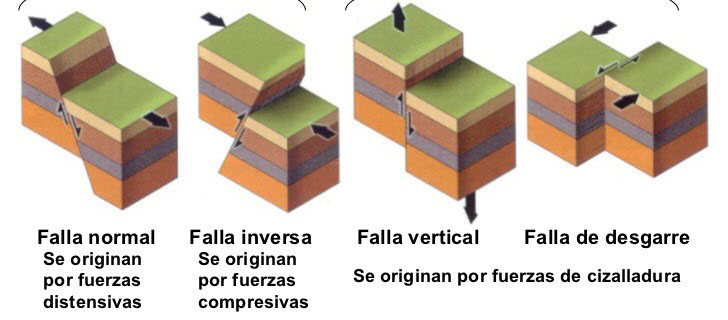
FALLAS


¿QUÉ TIPO DE FALLA HAY?


Learn online! (from http://iespebilingue.wikispaces.com/Internal+dynamics+of+the+Earth).

1. "Who am I?" Click on this link and find it out.
2. Learn on Rock Cycle.
3. Read about volcanos and fill in the gaps.
4. Click here to see the world plates.
5. Explore the Earth's structure.